In Various States of Always
Bart O’Reilly’s practice begins with structure. Working on multiple canvases simultaneously, he establishes sequences that foreground considerations of scale, layering, color, and surface absorbency. These early decisions create a framework through which each series develops with intention and discipline.
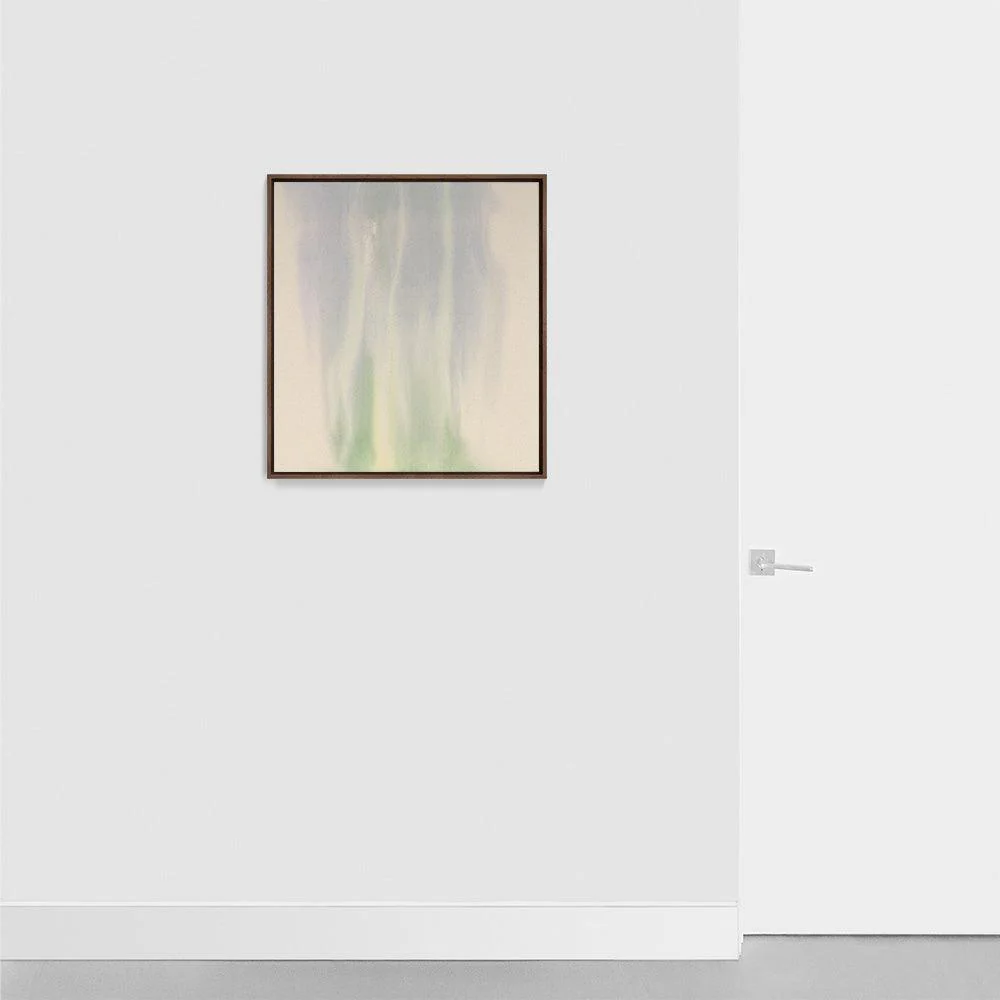
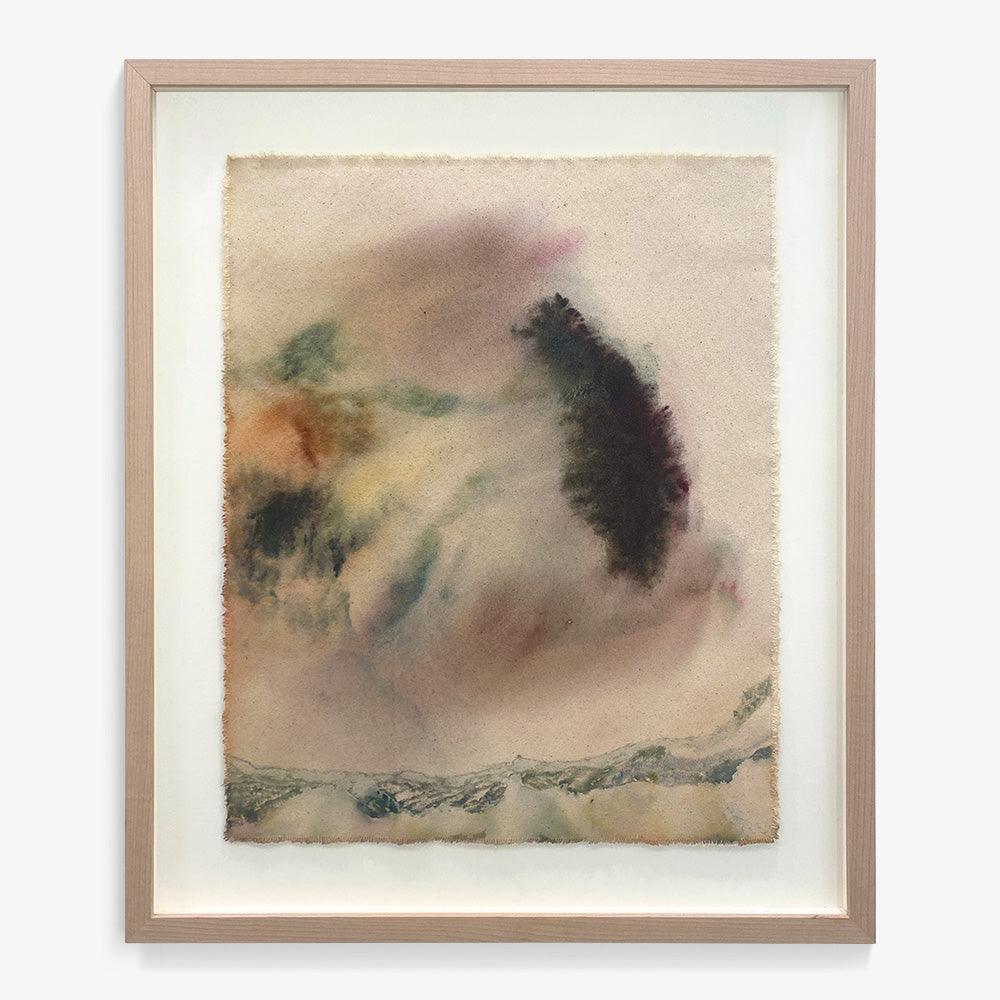
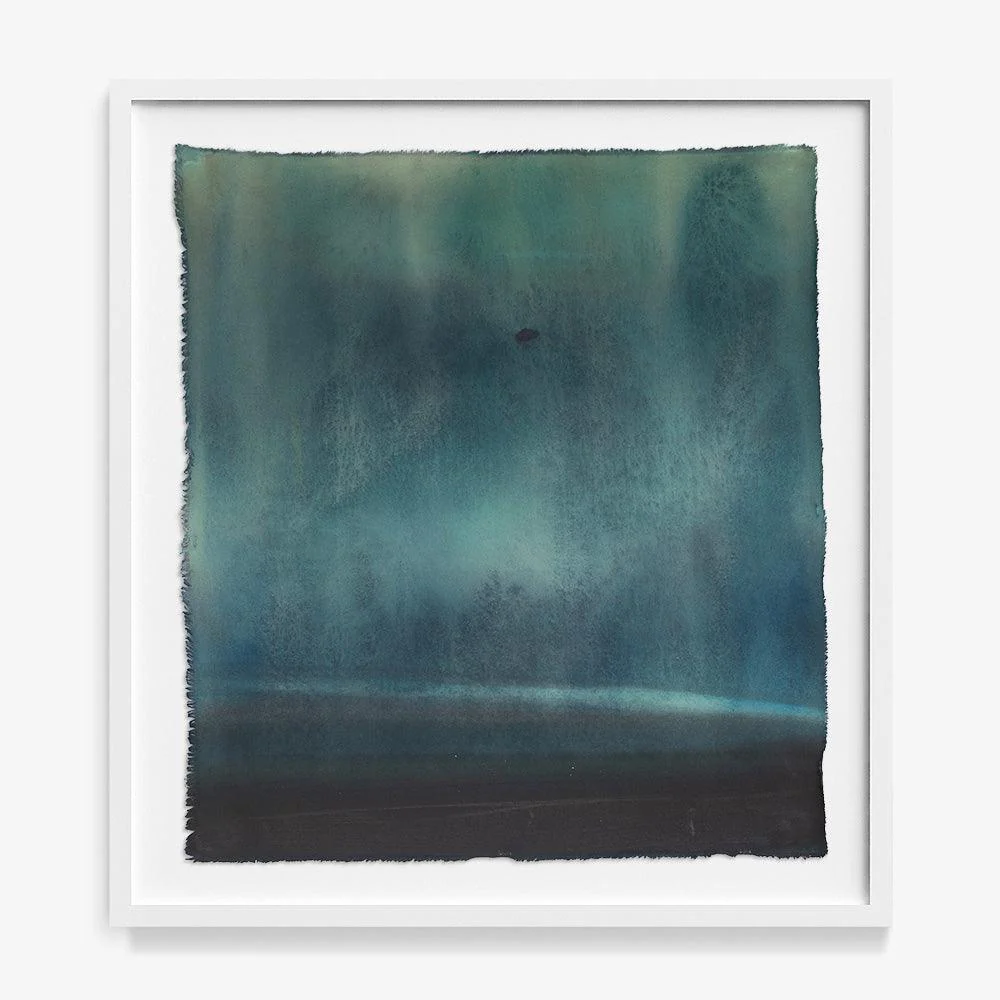
As the work progresses, this structure gradually loosens. Repetition becomes intuitive and responsive, allowing associations to emerge organically. Fields of paint begin to suggest landscapes, bodies, or emotional states without settling into fixed imagery. Built deliberately and often slowly, the paintings remain attentive to how light interacts with their surfaces. For O’Reilly, a work succeeds not when it feels resolved, but when it remains active—open, shifting, and alive.
In O'Reilly's words:
My process begins in structure. I start out with sequences, working on many canvases at once. Decisions about scale, layering, color and surface absorbency are important concerns as I begin a new series of work.
As I work these concerns gradually loosen. The paintings begin to open. Repetitive action becomes intuitive, responsive, and associative. Paint starts to suggest landscapes, bodies and emotional states.
Paintings are often built slowly at first to allow space for change. How light settles on them is a constant focus. An important measure of success for me is when a work remains active rather than resolved.
Worlds form intensely
Tenderness knows
Dusk moves, a luminous screen
I’m ready to go.
Product Information
Product Information
Shipping & Returns
Shipping & Returns
Description
Bart O’Reilly’s practice begins with structure. Working on multiple canvases simultaneously, he establishes sequences that foreground considerations of scale, layering, color, and surface absorbency. These early decisions create a framework through which each series develops with intention and discipline.
As the work progresses, this structure gradually loosens. Repetition becomes intuitive and responsive, allowing associations to emerge organically. Fields of paint begin to suggest landscapes, bodies, or emotional states without settling into fixed imagery. Built deliberately and often slowly, the paintings remain attentive to how light interacts with their surfaces. For O’Reilly, a work succeeds not when it feels resolved, but when it remains active—open, shifting, and alive.
In O'Reilly's words:
My process begins in structure. I start out with sequences, working on many canvases at once. Decisions about scale, layering, color and surface absorbency are important concerns as I begin a new series of work.
As I work these concerns gradually loosen. The paintings begin to open. Repetitive action becomes intuitive, responsive, and associative. Paint starts to suggest landscapes, bodies and emotional states.
Paintings are often built slowly at first to allow space for change. How light settles on them is a constant focus. An important measure of success for me is when a work remains active rather than resolved.
Worlds form intensely
Tenderness knows
Dusk moves, a luminous screen
I’m ready to go.